How To Keep Pets Safe and Cozy in Cincinnati’s November Weather
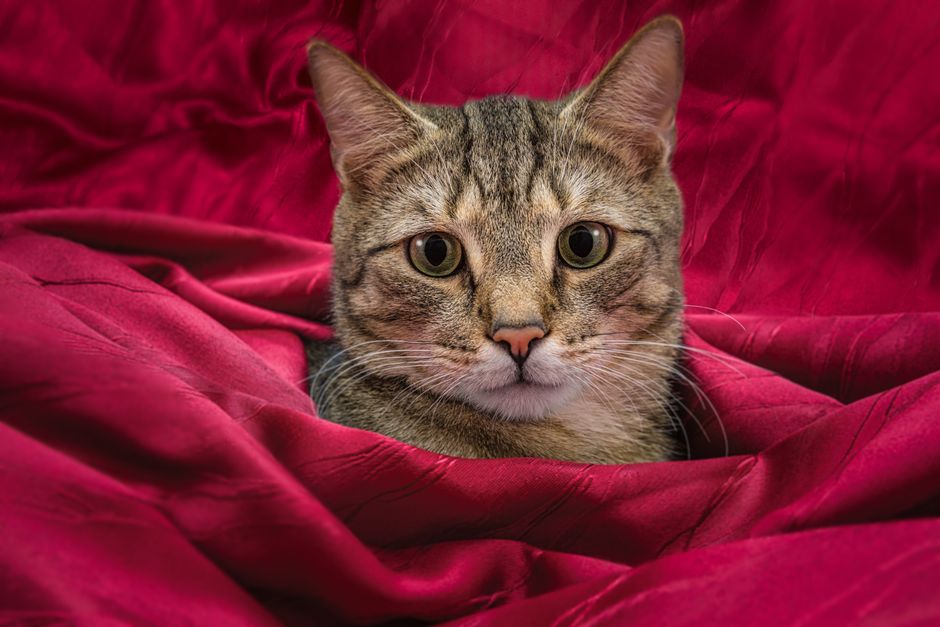
How To Keep Pets Safe and Cozy in Cincinnati’s November Weather
As the leaves fall and crisp November air settles over Cincinnati, pet owners often find themselves worrying about how to keep their dogs, cats, and small pets warm, healthy, and comfortable. Chilly temperatures, damp ground, and unpredictable weather can make this time of year challenging for both pets and their families. At Tennessee Avenue Animal Hospital, located at 1381 Tennessee Avenue, Cincinnati, OH 45229, our veterinary team understands the unique needs of pets during the colder months. In this blog, you'll discover practical strategies to help your companions stay safe, tips to prevent seasonal risks related to cold and wet weather, and advice on when it's time to seek veterinary care. We will also discuss special considerations for indoor and outdoor pets, as well as guidance for owners of exotic or small pets who may be particularly sensitive to changes in temperature. If you are looking for a trusted source for comprehensive pet care in Cincinnati and surrounding communities, Tennessee Avenue Animal Hospital is here to support you throughout every season.
Recognizing Seasonal Risks: How November Weather Affects Your Pet
November in Cincinnati often brings fluctuating temperatures, cold rains, and the first hints of winter winds. For dogs and cats, these conditions can cause a variety of issues, especially if they spend time outdoors or have underlying health problems. Signs that your pet is struggling with the cold include shivering, reluctance to go outside, seeking warmth more often, limping due to cold or wet paws, and changes in appetite or energy levels. In more severe cases, pets may show signs of hypothermia, such as weakness, lethargy, or pale gums. Cats, in particular, may hide in unusual places to find warmth, including under cars or in garages, which can increase the risk of accidental injuries.
Small pets and exotics, such as rabbits, guinea pigs, hamsters, and birds, are also at risk during cold snaps. Since these species are often kept in cages or enclosures, a drop in household temperature can affect their overall well-being. Warning signs for these pets include huddling, reduced activity, changes in eating or drinking habits, and puffed-up fur or feathers. If you notice any of these signs, it is important to address your pet’s comfort and safety promptly to avoid more serious health problems.
Why Cold and Damp Weather Poses Challenges for Pets
The cold and damp climate characteristic of a Cincinnati November can impact pets in several ways. For dogs and cats, exposure to low temperatures can quickly lead to hypothermia or frostbite, especially in breeds with short coats, older pets, young puppies or kittens, and animals with chronic medical conditions such as arthritis or heart disease. Wet ground can exacerbate problems by chilling the paws and making your pet more susceptible to skin infections or irritation.
Indoor pets are not immune to the effects of the season. Drafty homes, unheated rooms, or poorly insulated enclosures can create cold zones where pets may not be able to maintain a comfortable body temperature. Small pets and birds are particularly sensitive since their smaller size and higher metabolism mean they lose heat more quickly. Even minor fluctuations in temperature can cause stress or illness in exotics, making it crucial for owners to monitor their environment closely.
Additionally, shorter daylight hours can result in less physical activity for many pets, which may lead to weight gain or behavioral issues if not managed properly. With less time outdoors, some pets may also experience boredom or anxiety, increasing the risk of destructive behaviors or changes in litter box or house training habits.
Professional Veterinary Support: How We Help Pets Through the Cold
At Tennessee Avenue Animal Hospital, our comprehensive veterinary services are designed to address the unique challenges that pets face during Cincinnati’s colder months. For dogs and cats, our team offers comprehensive physical examinations to assess overall health, identify any conditions that might be worsened by cold weather, and provide preventative care tailored to your pet’s specific needs. These exams often include checking for arthritis or joint stiffness, evaluating coat condition, discussing weight management, and reviewing vaccination status to ensure your pet is protected against seasonal illnesses.
For small pets and exotics, our veterinarians are experienced in the care of rabbits, guinea pigs, hamsters, gerbils, birds, and more. We can help you optimize your pet’s living environment, recommend appropriate bedding or heating options, and advise on dietary changes that may be necessary as the weather changes. If you have concerns about your exotic companion’s health, our exotic pet care resources provide additional information tailored to their needs.
Should your pet develop concerning symptoms such as persistent shivering, coughing, limping, lethargy, or refusal to eat, our veterinary professionals are equipped with advanced diagnostic tools and urgent care capabilities to provide timely intervention. Whether it’s a check-up, lab work, or imaging, we are prepared to help your pet recover and thrive as the season progresses.
Keeping Pets Safe and Comfortable at Home
Practical steps can make a big difference in your pet’s comfort and health during Cincinnati’s cold, wet November days. For dogs, regular walks are still important, but consider adjusting the timing to avoid the coldest hours and using pet-safe coats or sweaters for those with short fur or lower cold tolerance. Always dry your dog’s paws and belly after being outside to prevent irritation and to remove any de-icing chemicals or road salt, which can be harmful if licked off.
Cats should be encouraged to stay indoors as much as possible during cold spells, with plenty of cozy resting spots and access to warm, draft-free rooms. Window perches, heated beds, and extra blankets can make indoor spaces more inviting and help your cat maintain body heat. If your cat typically goes outdoors, try to limit their exposure and monitor for any signs that they may be seeking warmth in hazardous places.
For small pets and exotics, environmental control is vital. Ensure that cages or enclosures are placed away from drafty windows, doors, or heating vents that might cause sudden temperature swings. Adding extra bedding, using insulated cage covers, or providing safe heating pads designed for animals can help maintain a consistent temperature. Birds and rabbits, for example, often benefit from a slightly warmer room, while reptiles may require specialized heating elements. For more detailed guidance, our avian care and rabbit care pages include additional tips for seasonal wellness.
Nutrition also plays a role in supporting your pet’s immune system and energy needs during colder months. Make sure your pet has access to fresh water at all times, as heated homes can increase dehydration risk, and consult with our veterinary team before making any major dietary adjustments.
When to Seek Veterinary Care for Cold-Related Problems
It is important to recognize when home care is not enough and professional help is needed. Contact your veterinarian if your dog or cat is experiencing persistent shivering, difficulty breathing, coughing, severe lethargy, limping that doesn’t resolve, or any signs of pain or distress. Kittens, puppies, senior pets, and those with chronic illnesses are particularly vulnerable and should be monitored closely for any changes in behavior or appetite.
For small pets and exotics, seek veterinary care if you notice persistent huddling, refusal to eat or drink, labored breathing, nasal discharge, or lethargy. Delaying care for these species can lead to rapid decline, so early intervention is key. Our veterinary team at Tennessee Avenue Animal Hospital is experienced in diagnosing and treating a wide range of cold-weather health concerns, from respiratory infections to frostbite or exacerbated arthritis.
If your pet experiences a sudden or severe problem after hours, consult our after-hours care information for guidance on how to proceed. Remember, timely attention can make all the difference in your pet’s recovery and ongoing comfort.
Keeping Pets Cozy All Season Long: Commitment to Your Pet’s Wellbeing
As fall turns to winter, keeping your pet safe and cozy in Cincinnati’s November weather is all about preparation, observation, and proactive care. Recognizing the warning signs of cold stress, understanding how local weather conditions affect your pet, and maintaining regular veterinary check-ups are the foundation for a healthy season. By creating a warm home environment, adjusting routines to suit the climate, and seeking veterinary attention when necessary, you can ensure your pet enjoys every day comfortably and safely.
If you have questions about your pet’s health or want to schedule a seasonal check-up, our veterinary professionals at Tennessee Avenue Animal Hospital are here to help. Simply call (513) 242-2141 to schedule an appointment with our caring team. When searching for a veterinarian near me who truly understands the needs of Cincinnati pets, look to the expertise and compassion found at Tennessee Avenue Animal Hospital. Your pet’s comfort and health are our highest priorities—let us help you make this November a safe and cozy month for your beloved companion.
This blog post is intended for informational purposes only and should not be considered a substitute for professional veterinary advice. If you have concerns about your pet’s health or well-being, please contact our veterinary team for personalized care.