What Is Cystocentesis and Why Your Pet Might Need It

What Is Cystocentesis and Why Your Pet Might Need It
When your dog, cat, or small pet starts showing signs of urinary trouble, you may feel anxious about what’s happening and what kind of testing might be required. One term you might hear from your veterinarian at Tennessee Avenue Animal Hospital is “cystocentesis.” This safe, minimally invasive procedure is commonly used in Cincinnati and surrounding communities to collect urine samples for diagnosing urinary tract concerns in pets. In this blog, we’ll explain exactly what cystocentesis is, why your pet might need it, how the process works, and what you can expect when you bring your companion animal to our Cincinnati location for advanced urinary diagnostics. Our compassionate veterinary team is here to make every step as comfortable as possible for you and your pet.
We’ll cover which urinary signs to watch for, why cystocentesis is often recommended, how the procedure is performed, and how it fits into a broader diagnostic plan. If you’re searching for answers about your pet’s urinary health, or you’ve been told your dog or cat needs cystocentesis in Cincinnati, you’ll find everything you need to know right here.
Recognizing Urinary Problems in Pets: When Might Cystocentesis Be Needed?
Urinary issues are surprisingly common in dogs and cats, and early recognition can make a big difference in treatment outcomes. Pet owners should watch for symptoms such as straining or difficulty urinating, blood in the urine, frequent trips to the litter box or outdoors, urinating outside of the litter box, excessive licking of the genital area, or signs of discomfort when urinating. In some cases, you might notice your pet acting restless, vocalizing, or suddenly having accidents in the house.
These signs can indicate a variety of underlying conditions, ranging from urinary tract infections and bladder stones to more complex problems like crystals or even urinary obstruction. Because many urinary symptoms look similar regardless of the cause, your veterinarian will often recommend diagnostic testing to pinpoint what’s going on. One of the most important steps in this process is obtaining a clean urine sample, and this is where cystocentesis becomes extremely valuable.
Understanding Cystocentesis: What Is It and Why Is It Done?
Cystocentesis is a veterinary procedure used to collect a sterile urine sample directly from your pet’s bladder. This is typically done with a very fine needle and syringe, often guided by ultrasound to ensure accuracy and minimize discomfort. The process is quick and well tolerated by most pets, especially when performed by experienced veterinary professionals like those at Tennessee Avenue Animal Hospital.
The main advantage of cystocentesis is that it provides a urine sample free from contamination by bacteria, debris, or material from the lower urinary tract or environment. Unlike samples collected from the floor, litter box, or by catching urine midstream, cystocentesis ensures the sample reflects only what is present in the bladder. This is critical for accurately diagnosing urinary tract infections, crystals, and other conditions. Our team often uses ultrasound-guided cystocentesis to further enhance the safety and precision of the procedure.
Your veterinarian may recommend cystocentesis if your pet is showing signs of urinary tract disease, if previous urine samples were inconclusive or contaminated, or as part of a broader workup for ongoing urinary symptoms. This procedure is also valuable for routine monitoring in pets with chronic urinary tract issues or certain metabolic conditions.
How Does Cystocentesis Work?
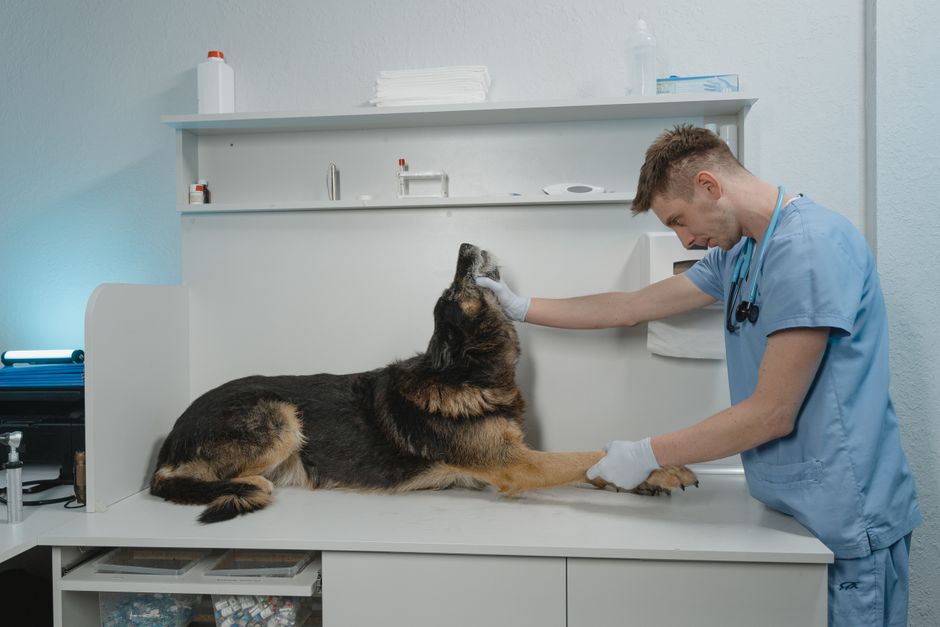
The cystocentesis procedure generally takes just a few minutes and does not require general anesthesia. Your pet may be gently positioned on an exam table or held in a comfortable way to access the bladder. The area over the bladder is carefully cleaned, and a small needle is inserted through the abdominal wall directly into the bladder to obtain a urine sample. Many clinics, including Tennessee Avenue Animal Hospital, use ultrasound guidance to visualize the bladder and further reduce any risk of complications.
Most pets tolerate the procedure very well, experiencing only mild, momentary discomfort. In rare cases, a mild amount of bleeding or leakage can occur, but complications are uncommon when performed by skilled veterinary professionals.
What Causes Urinary Tract Issues That Require Cystocentesis?
There are several underlying reasons a dog or cat may develop urinary problems that require cystocentesis for diagnosis. Bacterial urinary tract infections are a frequent culprit, especially in female dogs and older cats. Bladder stones, which develop from minerals crystallizing in the urine, can cause irritation, pain, or even blockages in the urinary tract. Crystals in the urine are also common in both cats and dogs and may predispose pets to stone formation or inflammation.
Other potential causes include idiopathic cystitis (especially in cats), anatomical abnormalities, tumors, or systemic illnesses such as diabetes or kidney disease. Some pets may experience urinary tract symptoms as a result of behavioral stress or environmental changes, but it is essential to rule out medical causes first.
Because so many different health problems can cause similar urinary symptoms, cystocentesis provides veterinarians with a clear, uncontaminated urine sample that is vital for accurate testing. The laboratory can analyze the urine for bacteria, white blood cells, crystals, blood, and other markers that help determine the exact cause and guide treatment decisions. For a complete picture, your veterinarian may also recommend in-house veterinary lab testing or full abdominal ultrasound to assess your pet’s organs and overall health.
What to Expect: Treatment and Management After Cystocentesis
Once a sterile urine sample has been collected via cystocentesis, it is sent to the laboratory for a urinalysis and often a urine culture. The results of these tests provide your veterinarian with information about infection, inflammation, crystals, and more. Treatment depends on the underlying diagnosis. For example, a bacterial infection may be treated with antibiotics tailored to the specific bacteria found, while bladder stones or crystals may require dietary changes, medication, or in some cases, surgery.
In cases where other health concerns are suspected, such as kidney disease or endocrine disorders, your veterinarian may use the urine sample as part of a broader diagnostic plan. This might involve bloodwork, imaging such as veterinary ultrasound, or additional laboratory tests. Our team always takes the time to explain your pet’s test results and walk you through every available treatment option, so you can make the best choices for your companion’s health.
Throughout the process, our goal is to keep your pet as comfortable as possible and minimize stress during visits to our Cincinnati animal hospital. If your pet is especially anxious or sensitive, let our team know; we have experience handling a wide range of personalities and can provide gentle reassurance or mild sedation if absolutely necessary.
Supporting Your Pet’s Urinary Health at Home
While some urinary tract problems cannot be prevented, there are steps you can take to help support your pet’s urinary health and reduce the risk of future issues. Ensure your dog or cat always has access to fresh, clean water, as proper hydration helps dilute the urine and flush out the urinary tract. Encourage regular opportunities for urination, either with frequent walks for dogs or by keeping multiple clean litter boxes for cats.
Feeding a high-quality, balanced diet is another important factor, and your veterinarian may recommend specific foods to manage or prevent urinary crystals and stones. Observe your pet’s urination habits and watch for any changes in frequency, color, odor, or comfort level. If you notice your pet straining, producing only small amounts of urine, or acting distressed, contact our veterinary team promptly.
Reducing stress in your pet’s environment can also play a role in preventing urinary issues, especially for cats prone to stress-related cystitis. This might involve providing quiet spaces, enriching toys, or maintaining consistent routines at home.
When to Seek Veterinary Care for Urinary Problems
It’s important to recognize when your pet’s urinary symptoms require immediate veterinary attention. If your dog or cat is unable to urinate, is producing only drops of urine, or is crying out in pain, this can be a medical emergency. Male cats, in particular, are at high risk for life-threatening urinary blockages, which demand urgent intervention. Additional warning signs include blood in the urine, repeated accidents in the house, or obvious discomfort when trying to urinate.
Do not attempt to treat urinary symptoms at home without guidance from a veterinarian, as delaying care can worsen the underlying problem. Our team at Tennessee Avenue Animal Hospital in Cincinnati is equipped to provide timely diagnostics, including cystocentesis, for pets experiencing urinary issues. We encourage you to call (513) 242-2141 to schedule an appointment if you notice any of these concerns.
Compassionate Urinary Care and Cystocentesis in Cincinnati
When your pet’s urinary health is at stake, you deserve answers and support from a trusted local veterinary team. At Tennessee Avenue Animal Hospital, we are committed to providing advanced diagnostics like cystocentesis to help your dog, cat, or small pet feel better quickly and safely. Our veterinarians combine expertise with compassion, making each visit as stress-free as possible for you and your companion animal.
If you are searching for a “vet near me” who can help with urinary problems or cystocentesis in Cincinnati, we invite you to rely on our team’s experience and dedication. Whether your pet needs ultrasound-guided cystocentesis, comprehensive diagnostic laboratory services, or ongoing preventive care, we are here to help.
To schedule an appointment or discuss your pet’s urinary health, contact our veterinary team at Tennessee Avenue Animal Hospital. Call (513) 242-2141 or visit us at 1381 Tennessee Avenue, Cincinnati, OH 45229. We proudly serve Cincinnati and surrounding communities with the highest standard of veterinary care.
This blog is for informational purposes only and does not replace professional veterinary care. If your pet is experiencing urinary distress or any concerning symptoms, please seek immediate veterinary attention.