What Is Ultrasound Guided Cystocentesis for Pets?
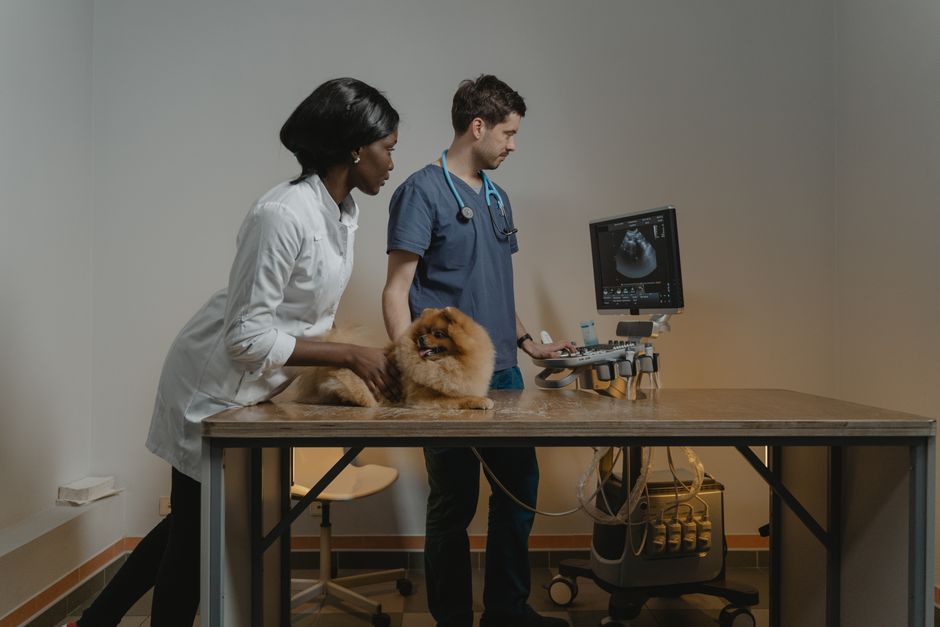
What Is Ultrasound Guided Cystocentesis for Pets?
If your dog, cat, or exotic pet is experiencing urinary problems, you may be searching for answers about the best ways to diagnose and treat their condition. One advanced procedure your veterinarian might recommend is ultrasound guided cystocentesis. At Tennessee Avenue Animal Hospital, located at 1381 Tennessee Avenue in Cincinnati, OH, our veterinary team uses this minimally invasive technique to provide accurate, efficient diagnostics for pets with urinary tract concerns. In this blog, we will explain what ultrasound guided cystocentesis is, when it is used, how the procedure works, and why it’s a valuable diagnostic tool for both common and complex cases. We’ll also provide guidance for pet owners about signs of urinary problems to watch for and when it’s time to schedule an appointment. By the end, you’ll feel better prepared to make informed decisions for your pet’s health and understand how our team can support you with advanced diagnostics and compassionate care here in Cincinnati and surrounding communities.
Understanding Urinary Issues in Pets: When Is Advanced Testing Needed?
Urinary tract problems can be uncomfortable, frustrating, or even dangerous for pets. As a pet owner, you are often the first to notice when your dog, cat, rabbit, or other small companion is not acting quite right. Key symptoms that may indicate a urinary problem include straining to urinate, making frequent trips to the litter box or outside, vocalizing during urination, having accidents in the house, or producing only small amounts of urine. Additional warning signs can involve blood in the urine, licking at the genital area, or a sudden change in your pet’s usual bathroom habits. In some exotic pets, such as rabbits or guinea pigs, urinary issues may present as wet fur around the rear, urine scald, or a decrease in normal grooming behavior.
If your pet displays any of these symptoms, it is important to seek veterinary care promptly. Some urinary conditions, such as bladder infections or urinary blockages, can worsen rapidly and may even become life-threatening if not addressed. An accurate diagnosis is essential for effective treatment, which is where procedures like ultrasound guided cystocentesis can play a crucial role.
What Causes Urinary Tract Issues in Dogs, Cats, and Exotic Pets?
Urinary tract problems can develop for a variety of reasons, and the underlying cause often depends on your pet’s species, age, health status, and lifestyle. In dogs and cats, common causes include bacterial infections of the bladder (urinary tract infections), urinary crystals or stones, inflammation (cystitis), tumors, or systemic health issues such as diabetes or kidney disease. For exotic pets, urinary problems may stem from dietary imbalances, dehydration, bacterial or fungal infections, or congenital anatomical issues.
Environmental factors, such as inadequate access to fresh water, infrequent litter box cleaning, or stress, can also contribute to the development of urinary conditions. In some cases, especially with exotic species, subtle changes in husbandry or routine may trigger urinary difficulties. Regardless of the cause, obtaining a clean, uncontaminated urine sample is essential for diagnosing the issue accurately. This is where ultrasound guided cystocentesis offers a valuable advantage over traditional urine collection methods.
Ultrasound Guided Cystocentesis: How the Procedure Works
Ultrasound guided cystocentesis is a safe, minimally invasive technique used by veterinarians to collect a sterile urine sample directly from your pet’s bladder. Unlike free-catch samples, which may be contaminated by bacteria or debris from the skin or litter, this method provides the most accurate representation of what is truly happening inside the urinary tract.
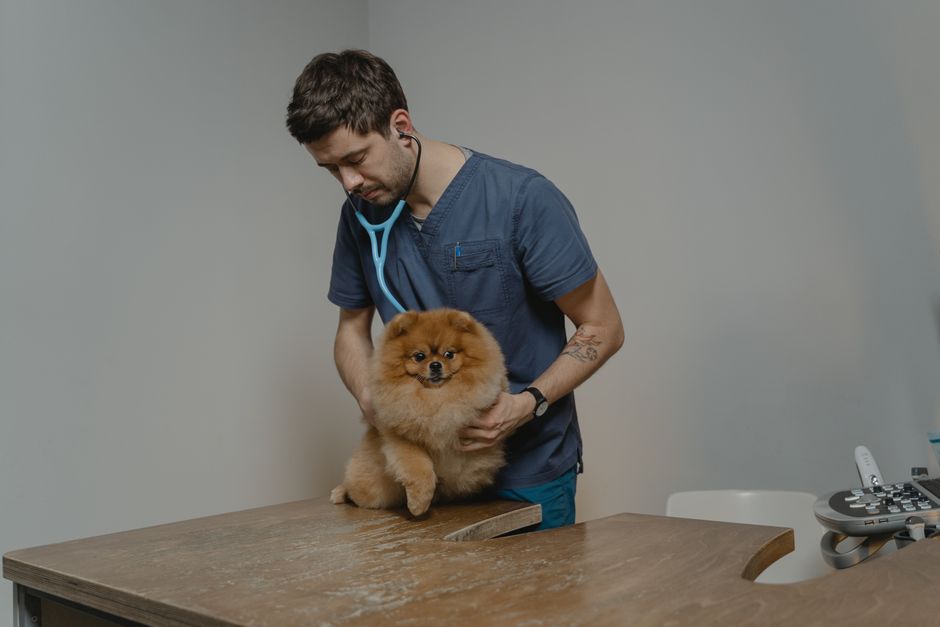
During the procedure, a member of our veterinary team uses a specialized ultrasound machine to visualize the bladder in real time. This imaging allows our veterinarians to precisely identify the location of the bladder while avoiding surrounding organs. Once the bladder is visualized, a thin, sterile needle is gently inserted through the abdominal wall and into the bladder, guided by the ultrasound image. A small amount of urine is withdrawn for analysis. The entire process is typically quick and well tolerated by most pets. In many cases, sedation is not required, though it may be considered for particularly anxious or wiggly animals.
At Tennessee Avenue Animal Hospital, we are committed to using technology that improves both the accuracy of our diagnoses and the comfort of your pet. Our approach to ultrasound guided cystocentesis in Cincinnati allows us to obtain high-quality samples needed for reliable laboratory testing, while minimizing stress and discomfort for your pet.
Why Is Ultrasound Guidance Important?
Traditional cystocentesis relies on anatomical landmarks and palpation to guide the needle into the bladder. While generally safe in experienced hands, this method can be challenging in pets with small bladders, obesity, or unusual anatomy. Ultrasound guidance significantly enhances the safety and accuracy of the procedure because the veterinarian can see the bladder, adjust positioning as needed, and avoid blood vessels or other organs in the abdomen.
For exotic pets, ultrasound guidance is especially valuable because their small size and unique anatomy can make blind cystocentesis risky. Rabbits, guinea pigs, ferrets, and reptiles benefit from this advanced approach, which reduces trauma and increases the likelihood of obtaining an adequate sample for analysis.
Diagnostic Benefits: What Can We Learn from a Sterile Urine Sample?
A sterile urine sample obtained by ultrasound guided cystocentesis is critical for diagnosing a range of urinary conditions. Laboratory analysis can detect the presence of bacteria, white or red blood cells, urinary crystals, abnormal pH, and other markers that help identify infections, inflammation, stones, or metabolic disease. In some cases, urine culture and sensitivity testing may be required to determine which antibiotic will be most effective if a bacterial infection is present.
Because the sample is collected directly from the bladder, results are far more reliable compared to samples taken from the floor, litter box, or even via manual bladder expression. Accurate diagnosis leads to more targeted treatment, helping your pet recover faster and reducing the risk of complications.
Our diagnostic laboratory services for veterinary testing and in-house veterinary laboratory testing for pets at Tennessee Avenue Animal Hospital mean that, in many cases, we can provide same-day results and begin treatment without delay.
What to Expect: The Ultrasound Guided Cystocentesis Experience
Many pet owners feel anxious at the thought of their beloved animal undergoing a medical procedure. Rest assured, ultrasound guided cystocentesis is designed to be as gentle and stress-free as possible. The steps typically involve a brief physical examination, gentle restraint or light sedation if needed, and the actual ultrasound-guided urine collection. Most pets tolerate the process well and are able to return home shortly after, resuming their usual activities.
After the sample is collected, our veterinary team will discuss the findings with you and recommend any additional tests or treatments based on the results. Treatment options may include antibiotics, dietary changes, supportive care, or further imaging if more complex conditions are suspected.
Preventing Urinary Problems: Home Care Tips for Pet Owners
While not all urinary problems can be prevented, there are steps you can take at home to promote urinary tract health in your pets. Ensuring access to fresh, clean water at all times is crucial, as adequate hydration helps flush bacteria and crystals from the bladder. Feeding a balanced, species-appropriate diet supports overall health and may reduce the risk of urinary stones, especially in cats and certain exotic species. For cats, maintaining clean litter boxes and reducing environmental stressors can help prevent behavioral urinary issues. For dogs, regular bathroom breaks and exercise support urinary health. Exotic pets, such as rabbits and guinea pigs, benefit from proper husbandry, including correct bedding, regular enclosure cleaning, and monitoring for subtle changes in urination.
If you notice any changes in your pet’s bathroom habits or signs of discomfort, it’s important to act early and schedule an appointment with your veterinarian. Early intervention can prevent minor problems from developing into serious health concerns.
When Should You Schedule an Ultrasound Guided Cystocentesis?
If your pet is showing signs of urinary discomfort, such as straining, frequent urination, or accidents in the house, it’s time to contact your veterinarian. In some cases, your pet may appear otherwise normal except for subtle symptoms, but waiting can allow the condition to worsen. Blood in the urine, inability to urinate, or severe pain are always considered urgent and require prompt evaluation.
Your veterinarian will perform an initial examination and may recommend ultrasound guided cystocentesis if a sterile urine sample is needed for accurate diagnosis. This is especially important if your pet has had recurrent urinary tract infections, is not responding to treatment, or if an underlying cause such as urinary stones or bladder disease is suspected.
Tennessee Avenue Animal Hospital is committed to providing advanced diagnostics and compassionate care. Our veterinary team will walk you through each step, answer your questions, and provide clear recommendations tailored to your pet’s needs.
Trust Tennessee Avenue Animal Hospital for Advanced Pet Care in Cincinnati
Ultrasound guided cystocentesis is a valuable tool for diagnosing urinary problems in dogs, cats, and exotic pets. By combining advanced ultrasound technology with gentle handling and expert veterinary care, our team at Tennessee Avenue Animal Hospital ensures your pet receives the best possible diagnostics and treatment. If you are searching for a "vet near me" who can provide high-quality, compassionate care for your pet’s urinary health, look no further than our experienced veterinarians here in Cincinnati.
If you notice any signs of urinary discomfort or have concerns about your pet’s health, we encourage you to schedule an appointment with our veterinary team. To learn more about ultrasound guided cystocentesis services for pets in Cincinnati or to discuss your pet’s needs, call us at (513) 242-2141 or visit our hospital location. At Tennessee Avenue Animal Hospital, we are dedicated to supporting you and your pet every step of the way—because every animal deserves expert veterinary care and a healthy, happy life.
This blog is for informational purposes only and should not replace professional veterinary advice. If your pet is experiencing symptoms or you have concerns about their health, please consult your veterinarian.