.svg)
When Should You Visit an Animal Hospital?
When Should You Visit an Animal Hospital? A Cincinnati Pet Owner’s Guide
If you share your life with a dog, cat, or exotic pet, it’s only natural to worry when something seems off with your companion’s health. From sudden changes in behavior to unexpected injuries or illness, knowing when to seek help at an animal hospital can feel overwhelming. At Tennessee Avenue Animal Hospital, located at 1381 Tennessee Avenue, Cincinnati, OH 45229, our team of veterinarians understands how important timely, compassionate care is for your pet. In this blog, we’ll walk you through how to recognize urgent symptoms, what an animal hospital like ours offers for Cincinnati’s pets, and when to schedule an appointment for professional evaluation. By the end, you’ll feel more confident in making the right decisions for your beloved pet’s wellbeing, whether you live in Cincinnati or nearby communities.
Recognizing When Your Pet Needs Animal Hospital Care
One of the biggest challenges for pet owners is distinguishing between minor issues and those that require immediate attention from an animal hospital. While some symptoms can wait for a routine veterinary visit, others signal the need for urgent care.
Common Signs Your Pet Should See a Veterinarian Promptly
Certain changes in your pet’s health or behavior shouldn’t be ignored. You might notice your dog or cat is suddenly lethargic, refusing food, or vomiting repeatedly. Other warning signs include difficulty breathing, persistent coughing, sudden collapse, or seizures. If your pet is bleeding, limping severely, or has suffered trauma such as being hit by a car, these are all clear indicators for an urgent trip to the animal hospital.
For exotic pets like rabbits, guinea pigs, or reptiles, symptoms such as not eating, pronounced weakness, difficulty moving, or abnormal swelling are equally concerning. Because many of these species hide illness until it becomes severe, quick action is especially important.
Additionally, if your pet is straining to urinate with no results, crying in pain, or has a bloated abdomen, these can be signs of life-threatening emergencies. Even subtle changes in behavior, such as hiding, excessive vocalization, or sudden aggression, may point to underlying medical issues that require prompt evaluation.
Why Do Pets Need Animal Hospital Services?
Understanding why these symptoms require animal hospital care can help you make faster, more confident decisions. Pets, whether they are dogs, cats, or exotics, often show only subtle signs when something is wrong. This natural instinct to mask illness means that by the time problems become obvious, the situation can already be serious.
Animal hospitals like Tennessee Avenue Animal Hospital are equipped to provide advanced diagnostics and treatments that go beyond what is available at home. Our veterinary team uses digital radiology, diagnostic laboratory services, and ultrasound to quickly identify internal problems. This allows us to diagnose conditions ranging from infections and organ dysfunction to broken bones or internal bleeding.
Rapid intervention can be the difference between a straightforward recovery and a much more complicated (or even life-threatening) situation. For example, a simple vomiting episode might progress to dehydration or electrolyte imbalance if not treated quickly; likewise, urinary blockages in male cats can rapidly become fatal if not resolved by a veterinarian.
What to Expect at an Animal Hospital Visit
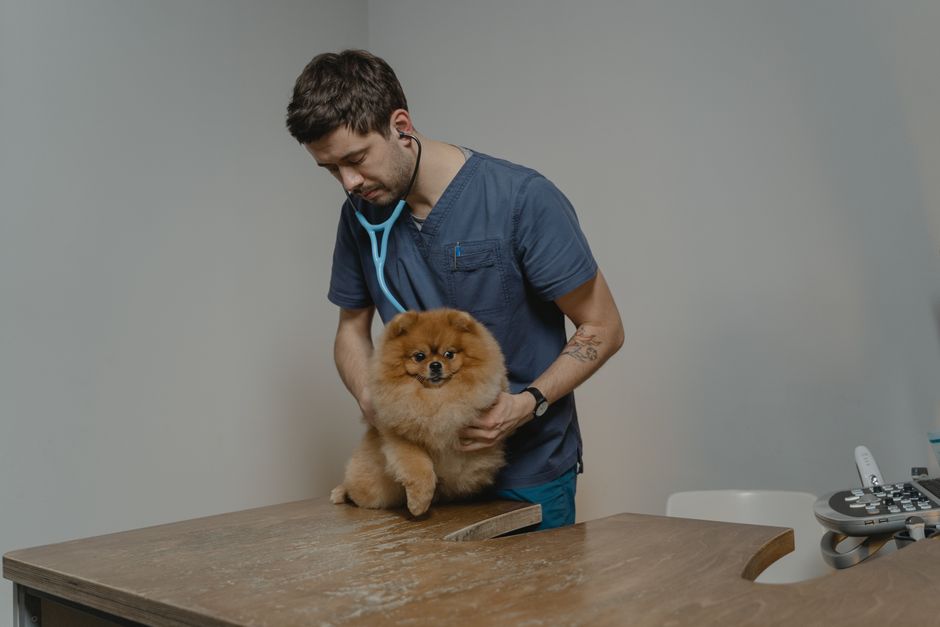
When you bring your pet to Tennessee Avenue Animal Hospital for urgent care, our process is designed for both thoroughness and comfort. The visit typically begins with a comprehensive physical examination so that our veterinarians can assess your pet’s vital signs and pinpoint the source of the problem. Depending on the symptoms, we may recommend additional diagnostics such as bloodwork, digital radiology, or veterinary ultrasound to gather more information.
Treatment approaches vary depending on the diagnosis but may involve administering fluids for dehydration, providing pain management, treating infections with appropriate medications, or performing surgical procedures if needed. For mild issues, we might recommend monitoring and supportive care at home, along with scheduled follow-up appointments.
Our team supports pet owners every step of the way, explaining test results, outlining treatment options, and helping you make informed decisions. If your pet requires hospitalization, rest assured that we provide attentive monitoring and compassionate care until your companion is ready to return home.
Preventive Measures and Home Care
While not all emergencies can be prevented, there are practical steps you can take to reduce your pet’s risk of needing animal hospital care. Bringing your pet in for a comprehensive physical exam on a regular basis allows veterinarians to catch subtle health changes early, before they become urgent problems. Keeping up with pet vaccination services protects against contagious diseases that can quickly become life-threatening.
At home, monitor your pet for changes in appetite, thirst, energy level, and bathroom habits. Providing a safe environment, free from household toxins or hazardous objects, is essential for dogs, cats, and especially for curious exotics. For rabbits and rodents, ensure cages are secure and that they are eating and passing stool regularly; for reptiles, maintain proper temperature, humidity, and lighting.
Feeding a high-quality, species-appropriate diet and maintaining a consistent routine can also help keep your pet healthy. If you ever notice something unusual, reach out to your veterinarian for advice. Early intervention is often key to preventing minor issues from escalating into emergencies.
When to Call Your Veterinarian or Animal Hospital
Knowing when to seek professional care is one of the most important things you can do as a pet owner. If you are ever in doubt, it’s always best to err on the side of caution and contact your trusted veterinary team. Reach out immediately if your pet is experiencing difficulty breathing, persistent vomiting or diarrhea, unresponsiveness, severe pain, or any sudden and unexplained changes in behavior. For exotic pets, a lack of eating or elimination for more than 12-24 hours should be considered urgent.
Tennessee Avenue Animal Hospital is committed to providing timely appointments for urgent cases during regular business hours. If your pet’s situation is less severe but still concerning, we will help you decide whether same-day care is needed or if a routine visit can be scheduled. For after-hours emergencies, our after-hours care page provides guidance on what steps to take and where to seek help when our office is closed.
Remember, your vigilance and quick response can make all the difference in your pet’s outcome. Never hesitate to call us with questions or concerns about your dog, cat, or exotic companion.
Supporting Cincinnati’s Pets Year-Round
As a locally owned animal hospital in Cincinnati, Tennessee Avenue Animal Hospital is proud to serve pets and families throughout the city and surrounding communities. Our veterinary team offers a wide range of services, from preventive exams and vaccinations to advanced diagnostics and urgent care. Whether your companion needs a wellness check, dental care, or immediate attention for an unexpected illness, we are here to help.
We know that when you search for a “vet near me,” you’re looking for a practice you can trust to treat your pet like family. Our goal is to build lasting relationships with pet owners, supporting you not only during emergencies but throughout every stage of your companion’s life.
Take Action: Schedule Your Pet’s Visit with Tennessee Avenue Animal Hospital
Recognizing when your pet needs animal hospital care can give you peace of mind and help keep your companion healthy. If your dog, cat, or exotic pet is showing signs of illness or injury, don’t wait—contact Tennessee Avenue Animal Hospital to schedule an appointment. Our veterinarians are here to guide you, answer your questions, and provide the compassionate care your pet deserves.
For urgent concerns, call (513) 242-2141 or visit us at 1381 Tennessee Avenue, Cincinnati, OH 45229. To learn more about our services and what to expect during a pet emergency, explore our emergency veterinary care and after-hours care information pages. Your pet’s health and happiness are our top priority, now and always.
This blog is for informational purposes only and does not substitute for professional veterinary advice. Always consult your veterinarian for specific concerns about your pet’s health.